Skip to content

Brooklyn · Brownstones, row houses and apartments

General Contractor in Brooklyn, NY

Brooklyn's housing runs from 19th-century brownstones and brick row houses to prewar walk-ups and new condo buildings, often within a few blocks of each other. Each brings its own work: original plaster and woodwork worth keeping, wiring and plumbing that usually isn't, and in many neighborhoods, landmark rules for anything that changes the outside of the house.

Albion Construction is an owner-led general contractor working across Brooklyn on brownstone and row house renovations, kitchen and bathroom remodels, apartment renovations and building extensions. We handle DOB permits, co-op and condo board approvals and landmark requirements, and our owner oversees every job in person.

Our closest case study is just over the borough line: the basement and first floor of a multi-family home in Ridgewood, Queens, next door to Bushwick. If you're comparing general contractors in Brooklyn, we'll walk your space with you and talk through the scope at a free estimate.

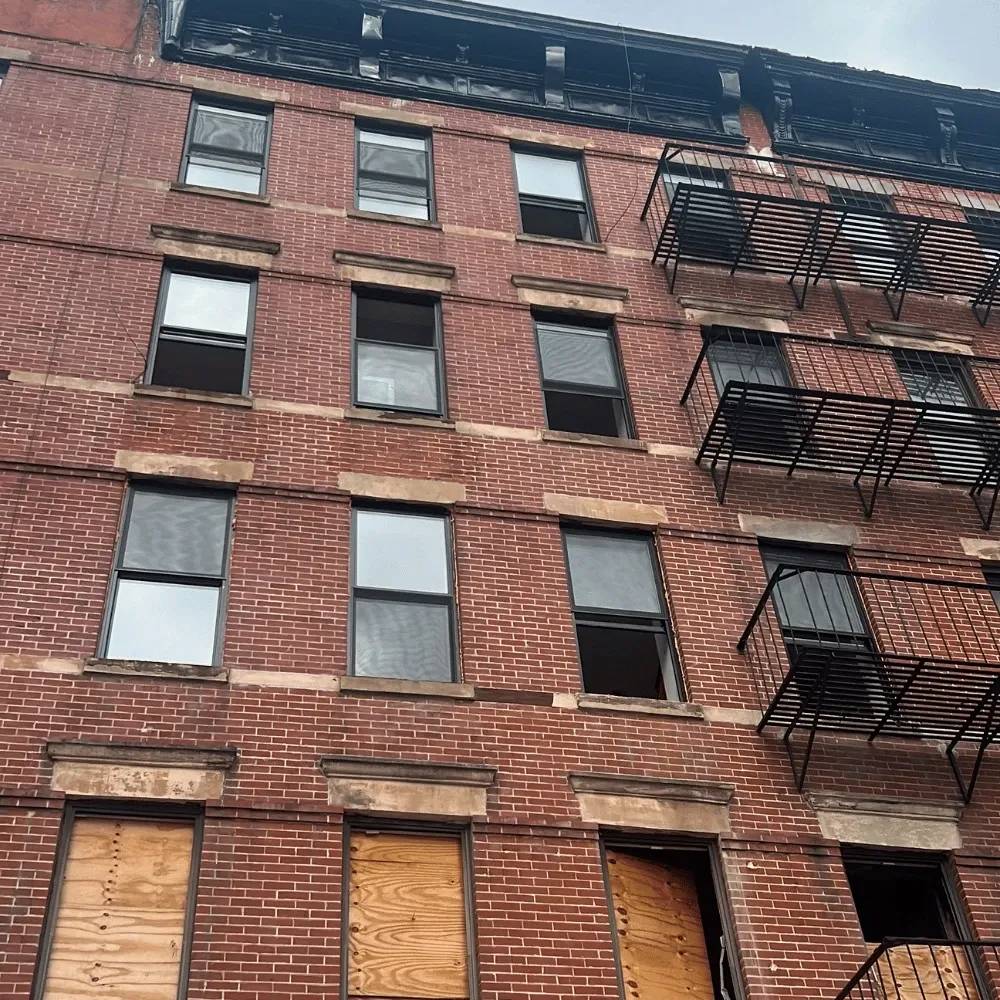
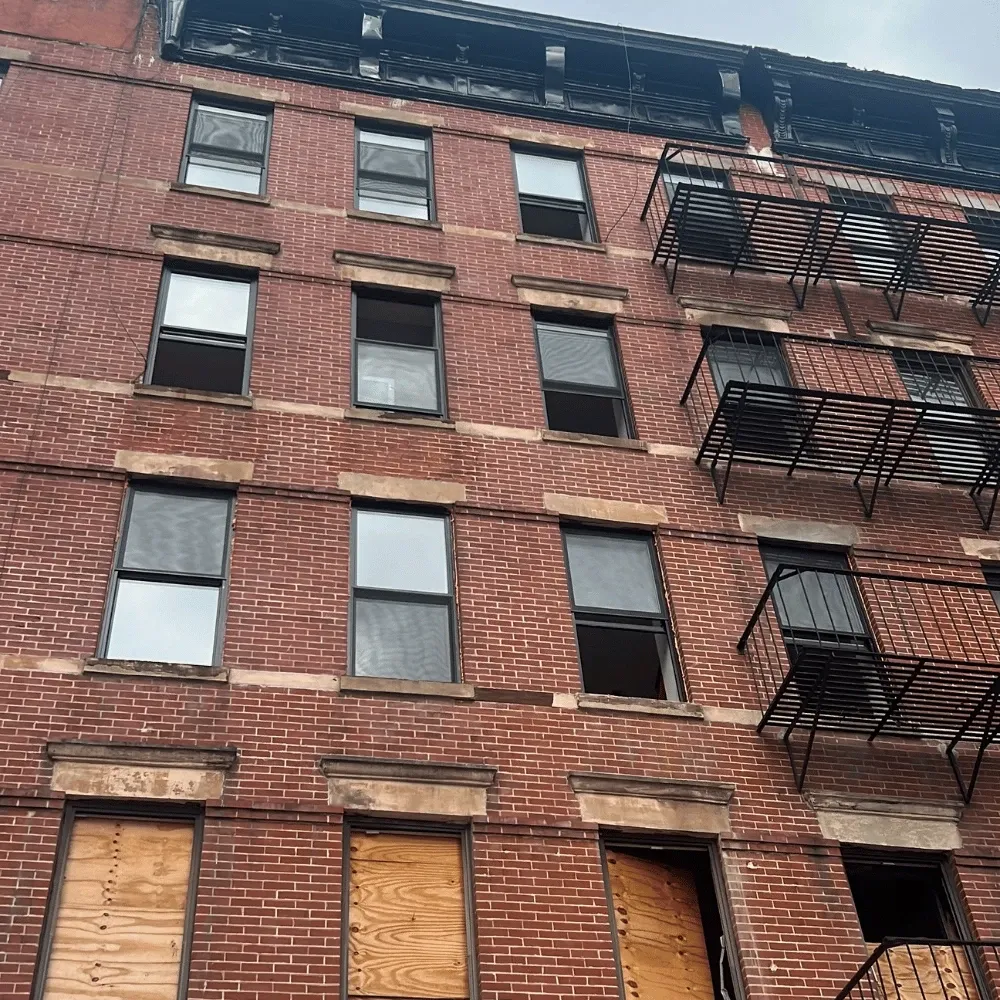
Brick walk-up apartment building with stone lintels and black fire escapes, its ground-floor openings boarded during exterior work
NeighborhoodsPark SlopeBrooklyn HeightsCobble HillCarroll GardensBoerum HillFort GreeneClinton HillProspect HeightsBedford-StuyvesantCrown HeightsBushwickWilliamsburgGreenpointBay Ridge

Brooklyn buildings

What renovating in Brooklyn involves

  • Brownstones and townhouses

    Typically three to five stories including a garden level, with original stoops, plaster moldings, woodwork and floors. A renovation balances new kitchens, baths and systems against details worth keeping, and in a historic district, exterior changes go through the Landmarks Preservation Commission.

  • Row houses and multi-family homes

    Many brick and frame row houses in Bedford-Stuyvesant, Bushwick, Crown Heights and Bay Ridge are legal two- or three-family homes. Work often spans more than one unit, shared party walls mean the neighbors feel the job, and changes to the unit count or basement use have to stay within the certificate of occupancy.

  • Prewar walk-ups and co-ops

    Walk-ups and prewar elevator buildings, including many co-ops in Brooklyn Heights, Park Slope and Prospect Heights, bring the same board approvals as Manhattan, plus older risers and electrical service that limit what can move.

  • New condos

    Newer buildings in Williamsburg, Greenpoint and other fast-growing neighborhoods have modern systems, but the managing agent still requires an alteration agreement, insurance certificates and set work hours. Layout changes are usually limited by where the risers and ducts run.

Brownstone renovation in Brooklyn

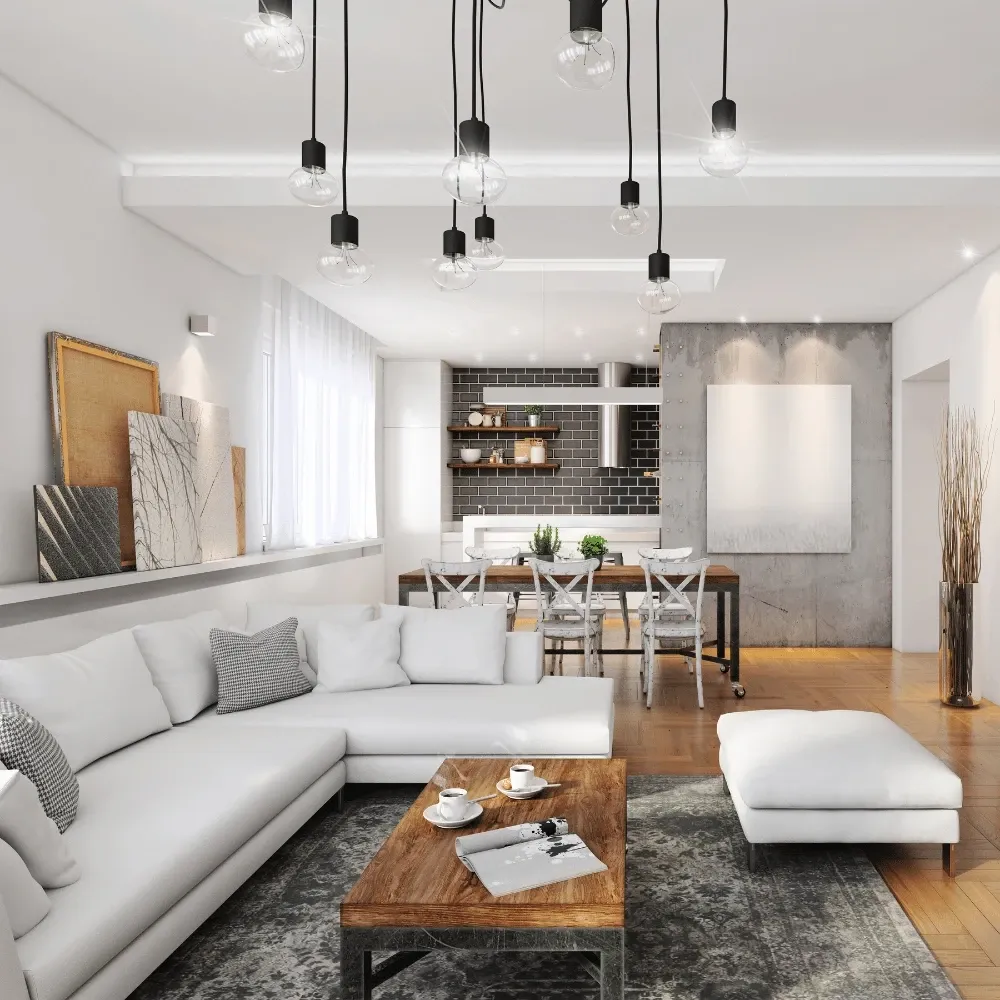
A brownstone renovation starts with what to keep. Plaster moldings, ceiling medallions, pocket doors, stair rails and original floors can often be repaired and protected while the wiring, plumbing, heating, kitchen and baths are rebuilt around them. Many brownstones carry a patchwork of systems from earlier renovations, and opening the walls is the time to replace them.

Park Slope, Brooklyn Heights, Fort Greene, Clinton Hill, Cobble Hill, Boerum Hill and Prospect Heights all include designated historic districts. There, changes to the facade, stoop or windows, and rear or rooftop additions, typically need Landmarks Preservation Commission approval before DOB permits are issued. Your architect files with LPC and DOB, and we build to the approved drawings.

  • Original moldings, plaster and woodwork protected or restored
  • Kitchens and baths rebuilt around the existing structure
  • Rewiring, new plumbing and updated heating or split AC
  • Garden-level and basement renovations within legal limits
  • Landmarks and DOB approvals coordinated with your architect
Kitchen and bathroom remodeling in Brooklyn

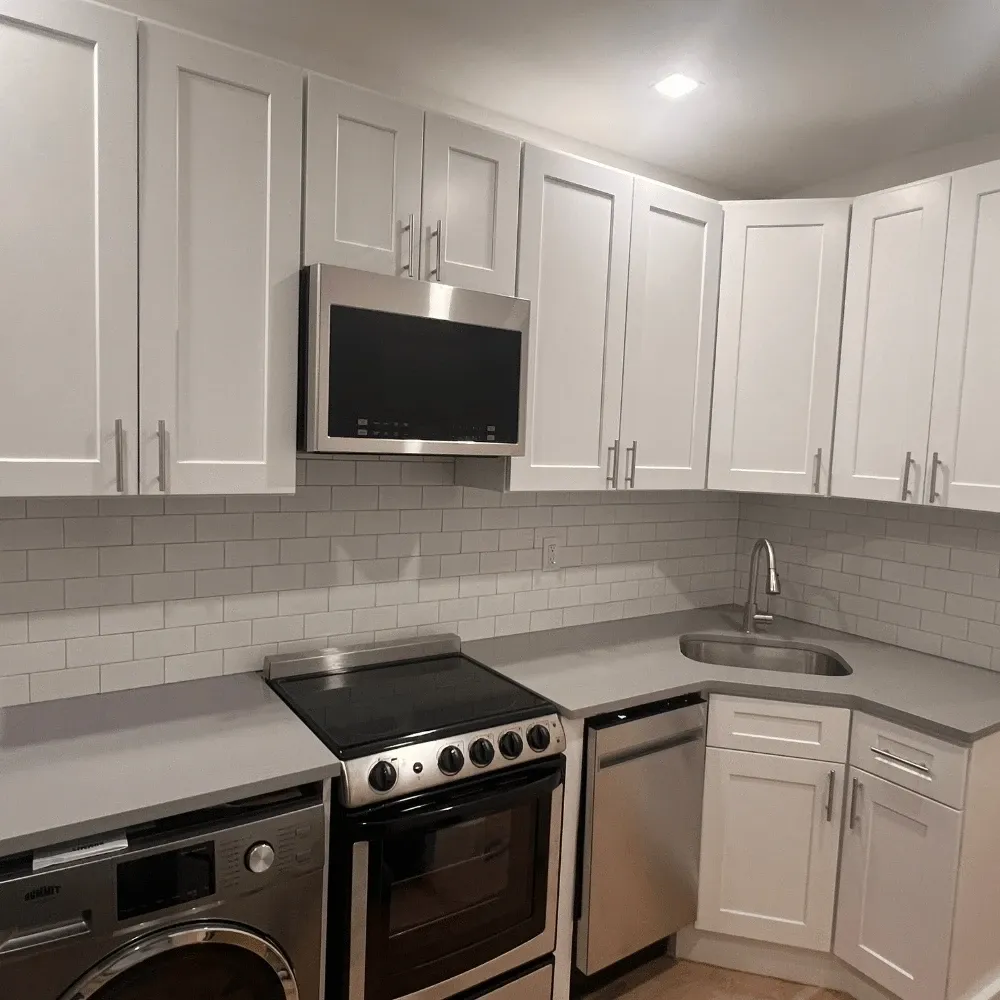
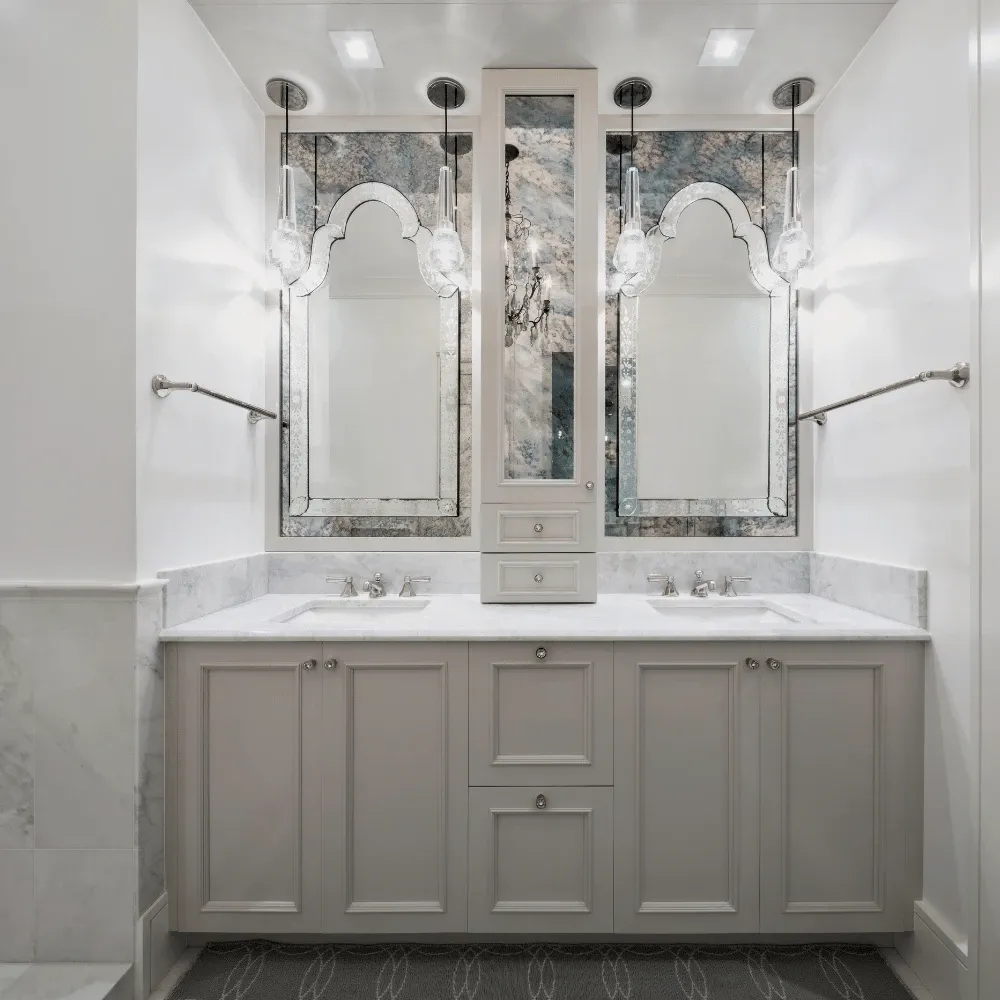
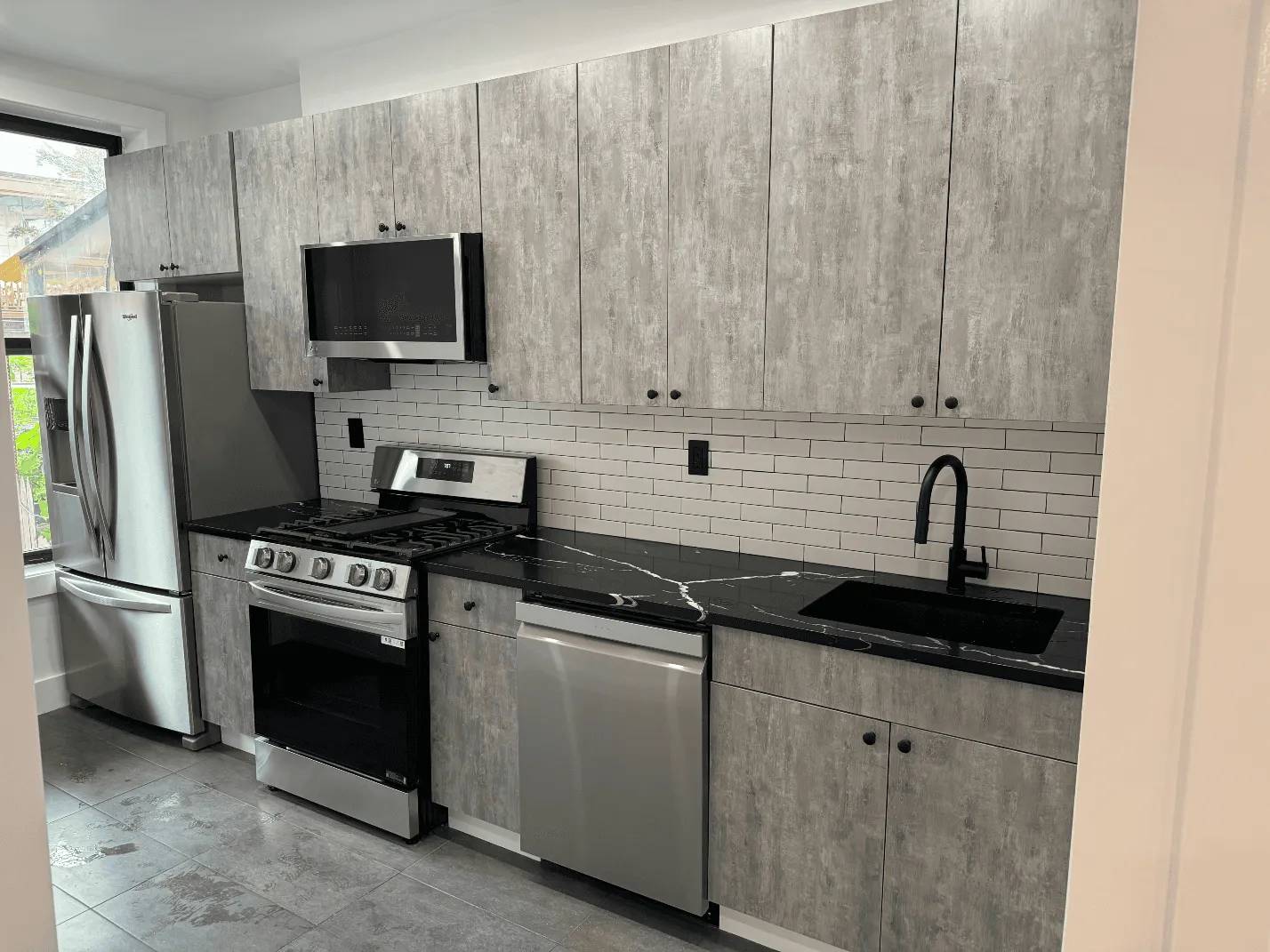
Brooklyn kitchen and bathroom remodels tend to happen in one of two settings. In a brownstone or row house, the work often includes new supply and drain lines, more electrical capacity for modern appliances and, sometimes, floor framing that needs leveling or reinforcing before tile goes down. In a co-op or condo apartment, kitchens and bathrooms usually stay close to the existing risers, and moving a bathroom over a neighbor's living space is often not allowed.

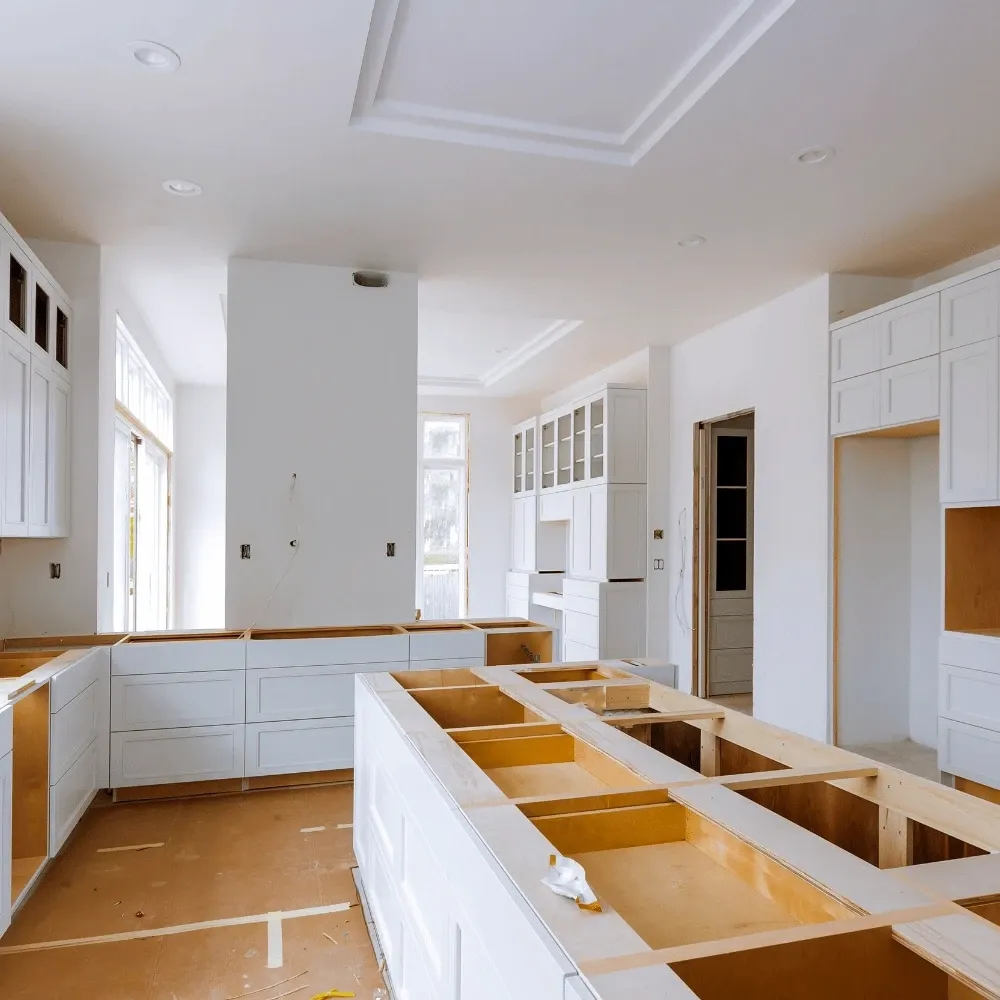
Either way, we sort out the layout limits and permits before demolition. Once work starts, a kitchen typically takes 3–6 weeks and a bathroom 2–4 weeks, depending on scope and material lead times.

Two- and three-family homes

Many Brooklyn row houses are legal two- or three-family homes, and owners often renovate one unit while living in another. We schedule water and power shutoffs and noisy work around the occupied apartments, and keep shared halls and stairs clean and clear.

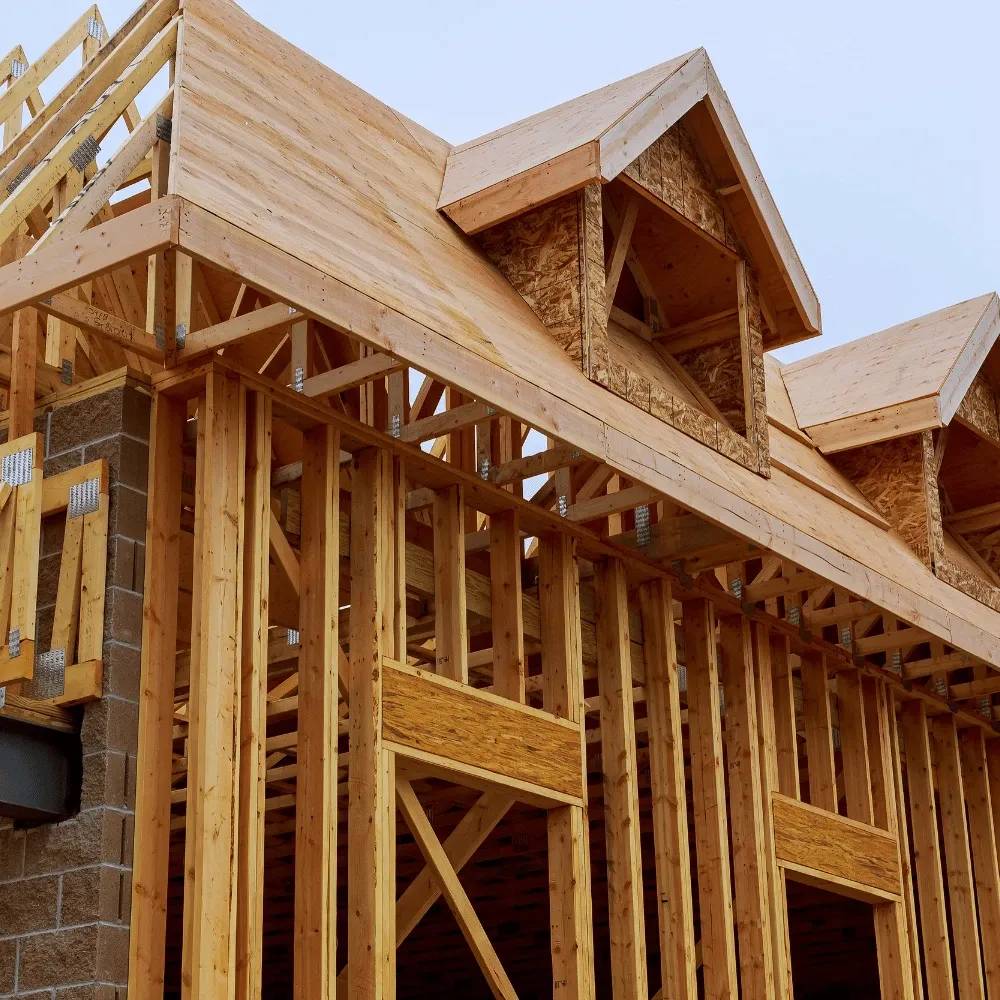
Adding a unit, combining units or turning a basement into living space changes the building's legal use. That typically requires architect-prepared plans, DOB approval and an updated certificate of occupancy, so we'll tell you at the walkthrough what's realistic before design starts. Albion is licensed for building extensions and new construction up to three-family houses.

FAQ

Hiring a contractor in Brooklyn

Do you renovate brownstones in Brooklyn historic districts?

Yes. Much of a brownstone renovation is interior work, but if your project changes the facade, stoop or windows, or adds a rear or rooftop extension in a historic district, it typically needs Landmarks Preservation Commission approval before DOB permits are issued. Your architect files with LPC and DOB, and we build to the approved drawings.

Do I need a permit to remodel my kitchen or bathroom in Brooklyn?

If you're replacing cabinets, finishes and fixtures in the same places, typically not. Moving plumbing or gas lines, adding electrical circuits, removing walls or changing the structure typically does, and those permits are filed by licensed plumbers, electricians and design professionals. In a co-op or condo, the board will want to review the work either way.

Can I convert my basement or add an apartment?

Sometimes. Whether a basement can become living space, or a house can add a unit, depends on ceiling height, light and air, exits, zoning and the building's certificate of occupancy. Changes like these typically need architect-prepared plans, DOB approval and an updated certificate of occupancy. We'll look at the space with you and say what's realistic before design starts.

How long does a brownstone renovation take?

It depends on scope. Once work starts, a kitchen typically takes 3–6 weeks, a bathroom 2–4 weeks and a complete home renovation 2–4 months. Larger whole-house projects can run longer, and landmarks review, if your project needs it, adds time before construction starts.

What should I look for in a general contractor in Brooklyn?

Check that the contractor is licensed and insured in NYC, has worked in buildings like yours, and can explain which permits and approvals your project needs. Ask who will actually be on site. At Albion, our owner oversees every project in person and is your direct contact from the estimate to the final walkthrough.

Also serving Manhattan, Queens, the Bronx and Staten Island.

Free consultation

Planning a project in Brooklyn?

Tell us about your project. Our owner reviews every inquiry and will walk you through scope, approvals and timing, and give you a free, detailed estimate.