Skip to content

Manhattan · Co-ops, condos, lofts and offices

General Contractor in Manhattan, NY

Renovating in Manhattan is as much about the building as the room. Most owned apartments are co-ops or condos, each with its own approval process. Many sit in pre-war buildings with decades of earlier work behind the walls, and every office floor answers to a landlord and building management as well as the Department of Buildings.

Albion Construction is an owner-led general contractor based at 331 Park Avenue South. Our recent Manhattan work includes an office renovation at 25 W 26th Street in the Flatiron district and a commercial renovation at 599 Broadway in SoHo, and we renovate apartments, kitchens and bathrooms across the borough, from pre-war co-ops to new condos.

As your general contractor in Manhattan, we prepare the contractor side of the board package, coordinate DOB permits when the work needs them, and follow your building's rules on hours, elevators and debris. Our owner oversees every project personally, on site.

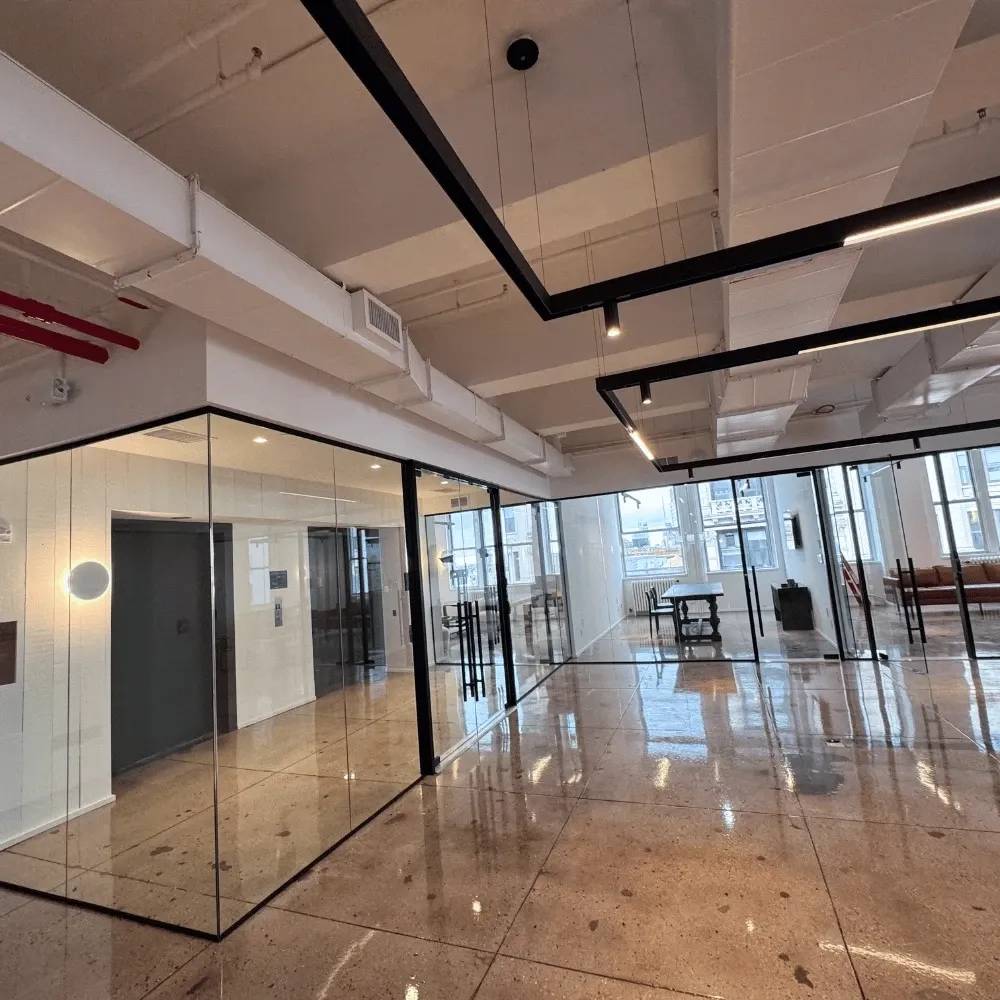
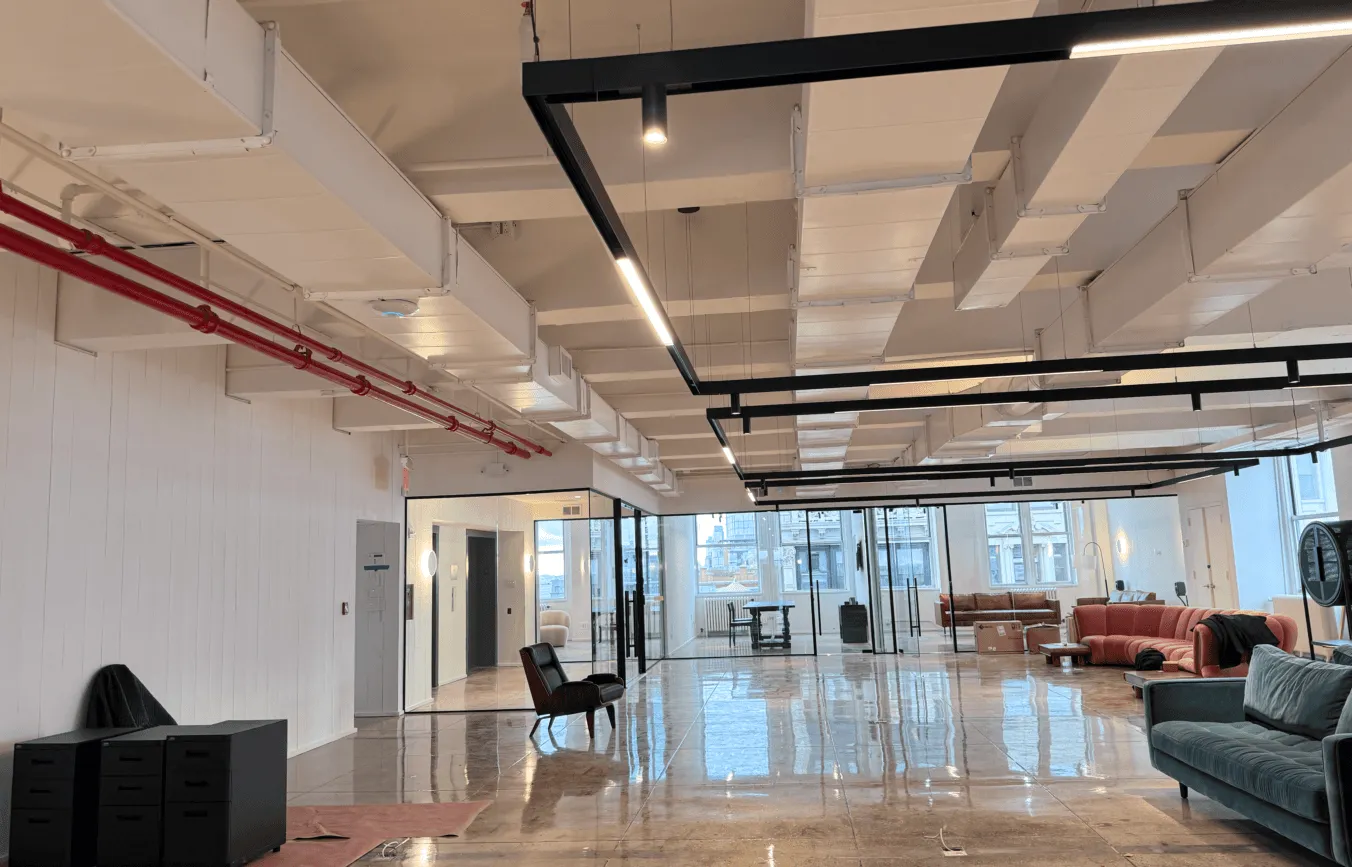
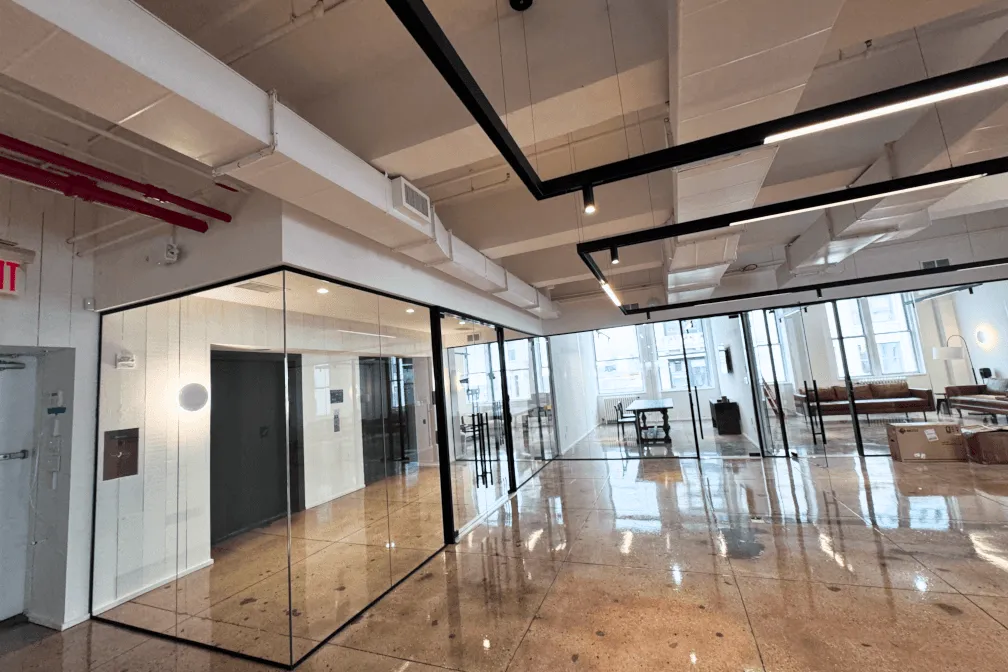
Glass-walled offices with black frames, polished concrete floors and suspended linear lights in a renovated commercial loft
NeighborhoodsUpper East SideUpper West SideHarlemMidtownMurray HillGramercy ParkFlatironChelseaGreenwich VillageWest VillageSoHoTribecaLower East SideFinancial District

Manhattan buildings

What renovating in Manhattan involves

  • Pre-war co-ops

    Many of Manhattan's pre-war apartment buildings are co-ops. The board typically requires an alteration agreement, insurance certificates and plans from an architect or engineer before work starts. Original risers, plaster walls and limited electrical capacity often decide what can move and how long the job takes.

  • Condos

    Condo boards usually review less than co-op boards, but the managing agent still requires an alteration agreement, proof of insurance and adherence to work-hour and elevator rules. Newer condos tend to have modern risers and more electrical capacity, which makes kitchen and bath changes simpler.

  • Lofts and cast-iron buildings

    Former manufacturing lofts in SoHo, Tribeca and the Flatiron area have open floors, high ceilings and exposed beams. Many sit in historic districts such as SoHo-Cast Iron and Ladies' Mile, where exterior changes like windows and storefronts typically need Landmarks Preservation Commission approval.

  • Office and retail floors

    Commercial work runs through the landlord and building management as well as DOB: approved plans, insurance, freight elevator bookings and, often, after-hours rules for noisy work. Most build-outs have a fixed lease or move-in date, so the schedule matters as much as the finish.

Co-op and condo renovations

In most Manhattan co-ops, work can't start until the board approves it. The usual package is an alteration agreement, plans (often prepared by an architect or engineer), the contractor's license and insurance certificates naming the building and its managing agent, and a schedule. Condos typically ask for less, but the managing agent still reviews the work and sets the rules.

Buildings also set how the work happens: limited hours, usually weekdays only, elevator reservations for deliveries, rules for debris removal and, in some co-ops, limits on when major renovations can take place. Many buildings don't allow a kitchen or bathroom to be moved over a neighbor's living space. We plan the job around those rules from the start so approvals don't stall it halfway through.

  • Alteration agreement and board package support
  • Insurance certificates to the building's requirements
  • DOB permits for plumbing, gas, electrical or structural changes
  • Asbestos survey before demolition where the building requires it
  • Building rules on hours, elevators and debris followed
Office and commercial renovations in Manhattan

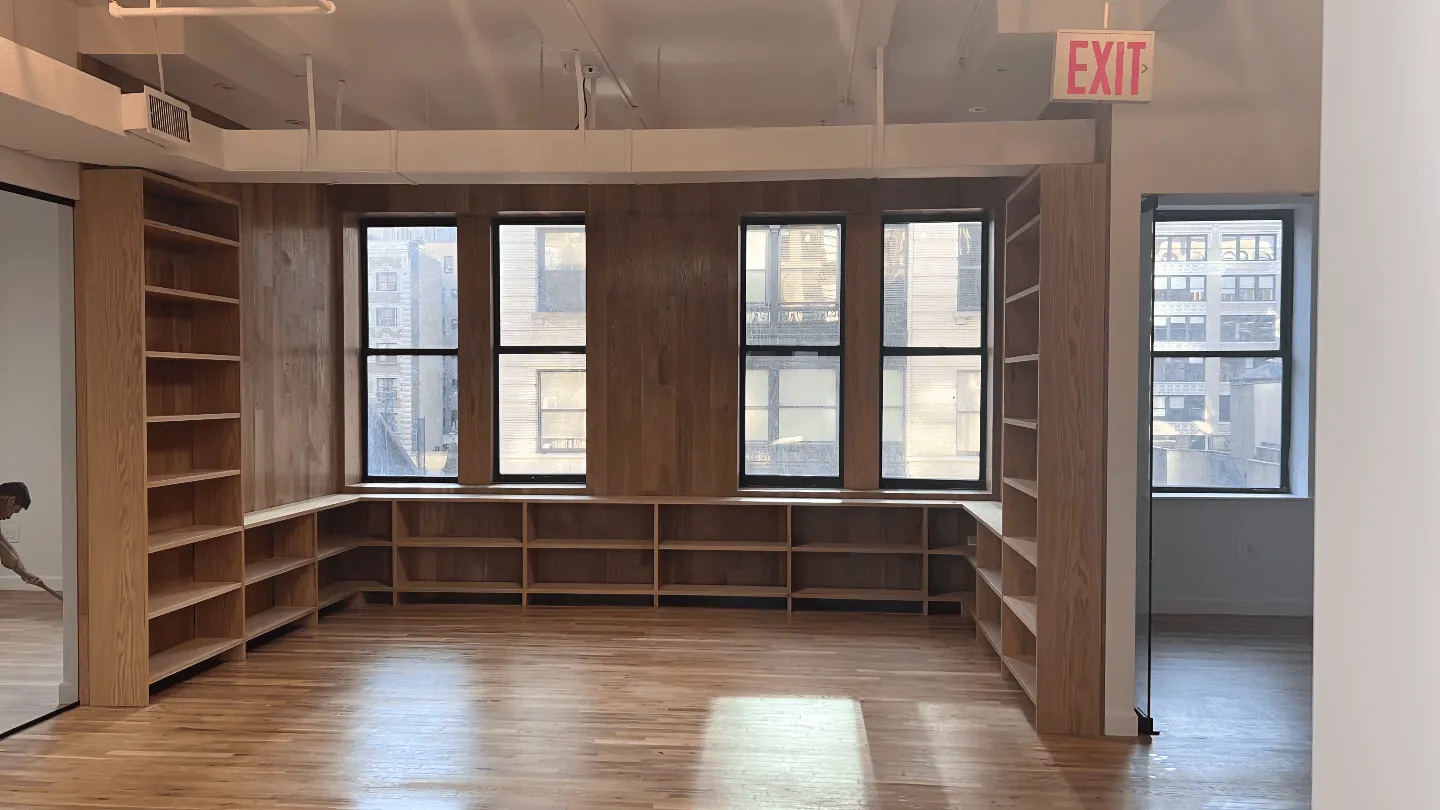
Two of our case studies are Manhattan commercial jobs. At 25 W 26th Street in Flatiron, we took an office down to a full interior demolition and rebuilt it with glass-walled private offices, built-in cabinetry and bookshelves, refinished hardwood floors and upgraded electrical, plumbing and HVAC. At 599 Broadway in SoHo, we rebuilt interior walls, installed custom glass and doors, upgraded the lighting and built new restrooms and an office kitchen in three weeks.

Commercial work usually has a fixed date, such as a lease start or a move-in, in a building that stays open around you. We plan the sequence before demolition so permits, deliveries, inspections and trades line up with that date, and we coordinate with building management on access and noisy-work hours.

Pre-war walls, older systems

Pre-war apartments are solidly built, but what's inside the walls has usually been patched by several owners. It's common to find old or ungrounded wiring, galvanized or cast-iron pipes, uneven floors and plaster that needs repair once it's opened.

We look for these conditions at the walkthrough, plan for the likely ones and tell you right away if opening a wall changes the scope. Where it makes sense, we keep original details such as plaster moldings, herringbone floors and solid wood doors, and work the new systems around them.

FAQ

Hiring a contractor in Manhattan

Do you work in Manhattan co-ops and condos?

Yes. We prepare the contractor side of the board package (licensing, insurance certificates to the building's requirements and a work schedule) and follow the building's rules on work hours, elevators and debris removal. The board or managing agent approves the alteration agreement before work begins, and we plan the schedule around that approval.

Do I need a DOB permit to renovate my apartment?

It depends on the work. Painting, new flooring or replacing cabinets and fixtures in the same layout typically doesn't need one. Moving or adding plumbing or gas lines, electrical work, removing walls, or anything that affects the structure or exits typically does, and those filings are made by an architect or engineer and by licensed plumbers and electricians.

Even when DOB doesn't require a permit, most co-op and condo boards still want to review the work. We'll tell you which applies to your project during the estimate.

Can you remove a wall in a pre-war apartment?

Often, yes. If the wall isn't load-bearing and doesn't hide plumbing, gas lines or risers the building won't let you move, it can usually come out. An architect or engineer confirms what the wall does, the removal goes into the plans your board reviews, and structural changes need DOB approval. Afterward we patch the floor and ceiling where the wall stood, matching the existing wood where we can.

How long does a Manhattan apartment renovation take?

Once work starts, a kitchen typically takes 3–6 weeks, a bathroom 2–4 weeks and a complete apartment renovation 2–4 months, depending on scope. In co-ops and condos, allow time before that for board review and any permits, and expect the building's work-hour rules to shape the schedule.

Do you handle office build-outs in Manhattan?

Yes. Our Manhattan projects include an office renovation at 25 W 26th Street in Flatiron and a commercial renovation at 599 Broadway in SoHo. We coordinate with your landlord and building management on plans, insurance, access and work hours, and work with your architect on the DOB filings the job needs.

Also serving Brooklyn, Queens, the Bronx and Staten Island.

Free consultation

Planning a project in Manhattan?

Tell us about your project. Our owner reviews every inquiry and will walk you through scope, approvals and timing, and give you a free, detailed estimate.