Skip to content

Queens · Houses, multi-family homes and co-ops

General Contractor in Queens, NY

Much of Queens is low-rise: attached and semi-detached brick houses, two- and three-family homes and detached houses, alongside garden apartment complexes, co-op buildings and new condo towers in Long Island City. That mix shapes renovation work here. Projects often cover more than one unit, basements are often part of the scope, and older homes usually need wiring and plumbing brought up to date along the way.

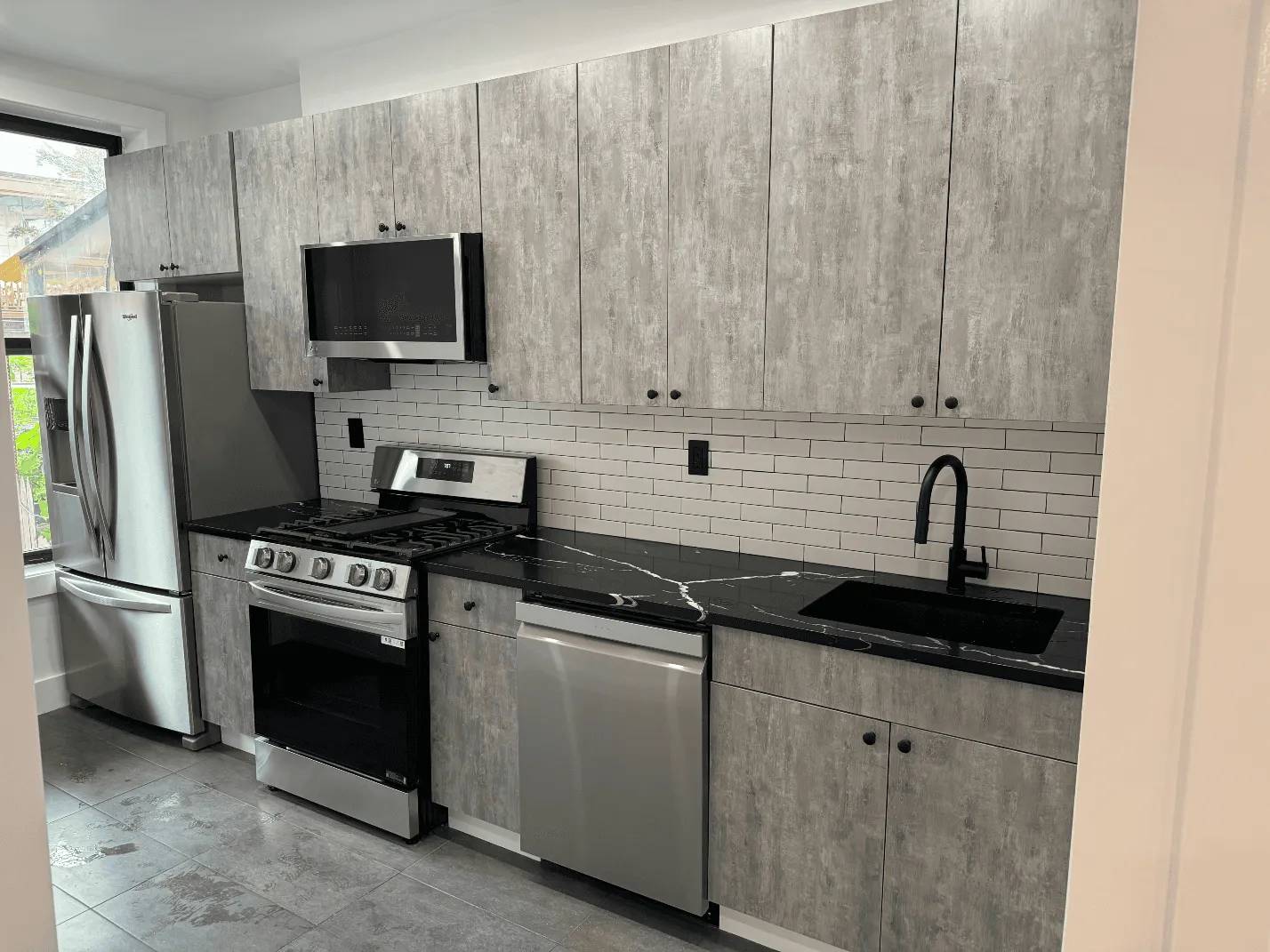
Our Queens case study is a multi-family home at 60-80 Catalpa Avenue in Ridgewood, where we renovated the basement and first floor in three weeks: a new kitchen and bathroom, tile and hardwood floors, updated electrical and plumbing, a split AC system and structural reframing.

Albion Construction is an owner-led general contractor in Queens and across New York City. Our owner oversees every project on site, from the first walkthrough to the final inspection, and you deal with them directly.

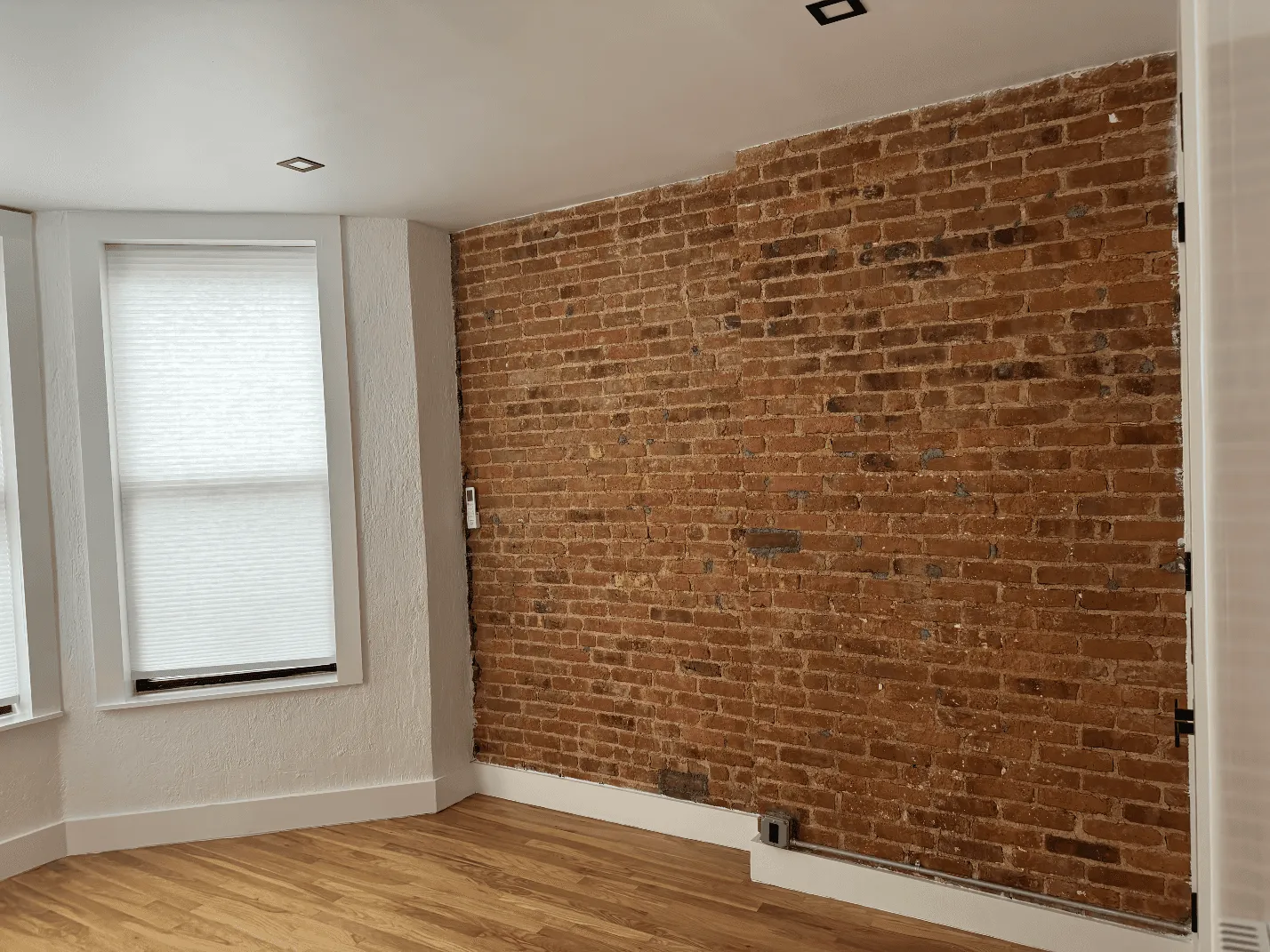
Living room in a renovated Ridgewood, Queens home with an exposed brick wall, a bay window and hardwood floors
NeighborhoodsAstoriaLong Island CitySunnysideWoodsideJackson HeightsRidgewoodGlendaleMiddle VillageMaspethForest HillsRego ParkKew GardensFlushingBayside

Queens buildings

What renovating in Queens involves

  • Attached and semi-detached houses

    Brick row houses and semi-detached homes line many streets in Ridgewood, Glendale, Middle Village, Maspeth and Astoria. They're solidly built, but shared party walls, narrow lots and decades-old wiring and plumbing shape what a renovation involves, and work on one house is felt next door.

  • Two- and three-family homes

    Common from Astoria and Woodside to Ridgewood and Flushing. Owners often live in one unit and rent the others, so work is planned unit by unit, and any change to the number of units or to how a basement is used has to stay within the building's certificate of occupancy.

  • Garden apartments and co-ops

    Jackson Heights, Forest Hills, Rego Park, Kew Gardens and Bayside have many prewar and postwar co-op buildings and garden apartment complexes. Renovations go through the board with an alteration agreement and insurance requirements, and kitchens and baths usually stay over the existing risers.

  • Long Island City condos

    Newer high-rise condos in Long Island City have modern systems, but management sets the rules: an alteration agreement, insurance certificates, work hours and elevator bookings, all approved before work starts.

A recent project in Ridgewood, Queens

At 60-80 Catalpa Avenue, the job covered the basement and first floor of a multi-family home. We remodeled the kitchen and bathroom, laid new tile flooring, upgraded the electrical wiring and panel, modernized the plumbing, installed a ductless split AC system, added insulation and reframed walls to make better use of the space.

The finished rooms keep the building's exposed brick against new white walls, refinished hardwood and recessed lighting. The work took three weeks, with our owner on site daily to coordinate the trades and keep the client updated.
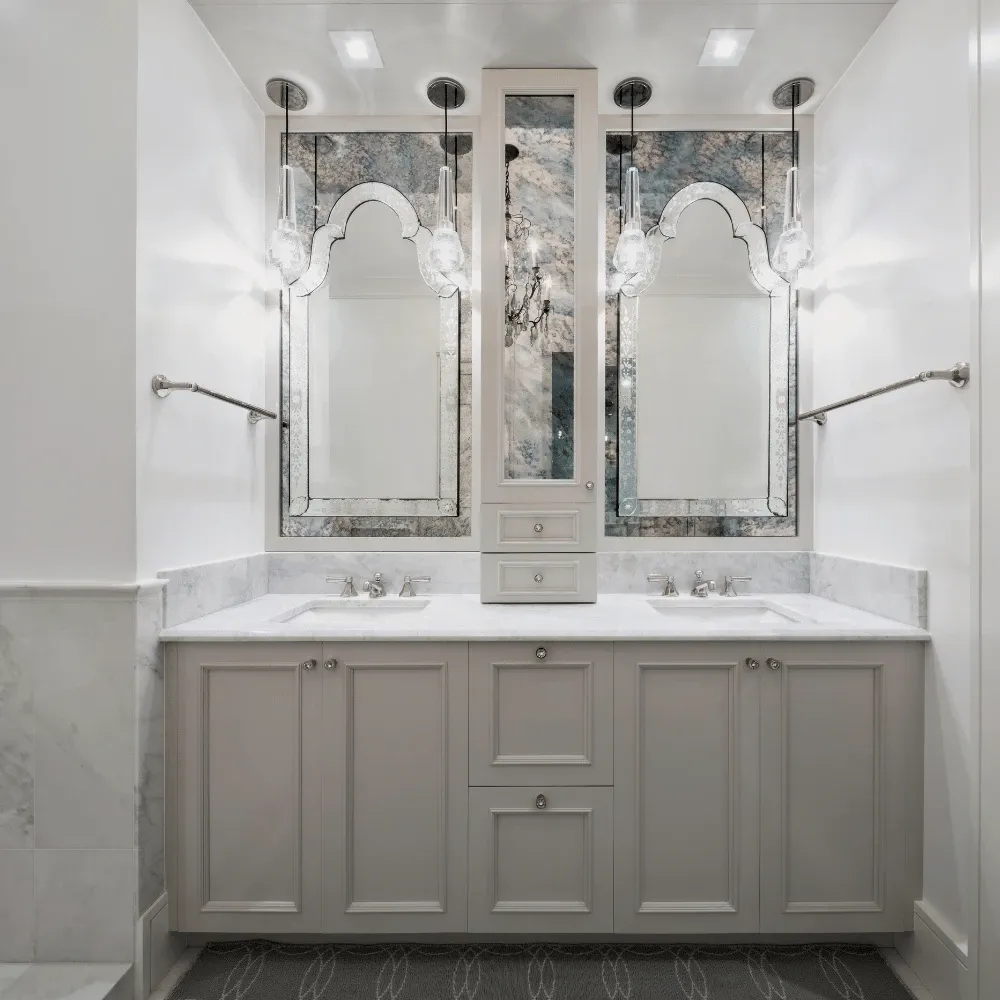
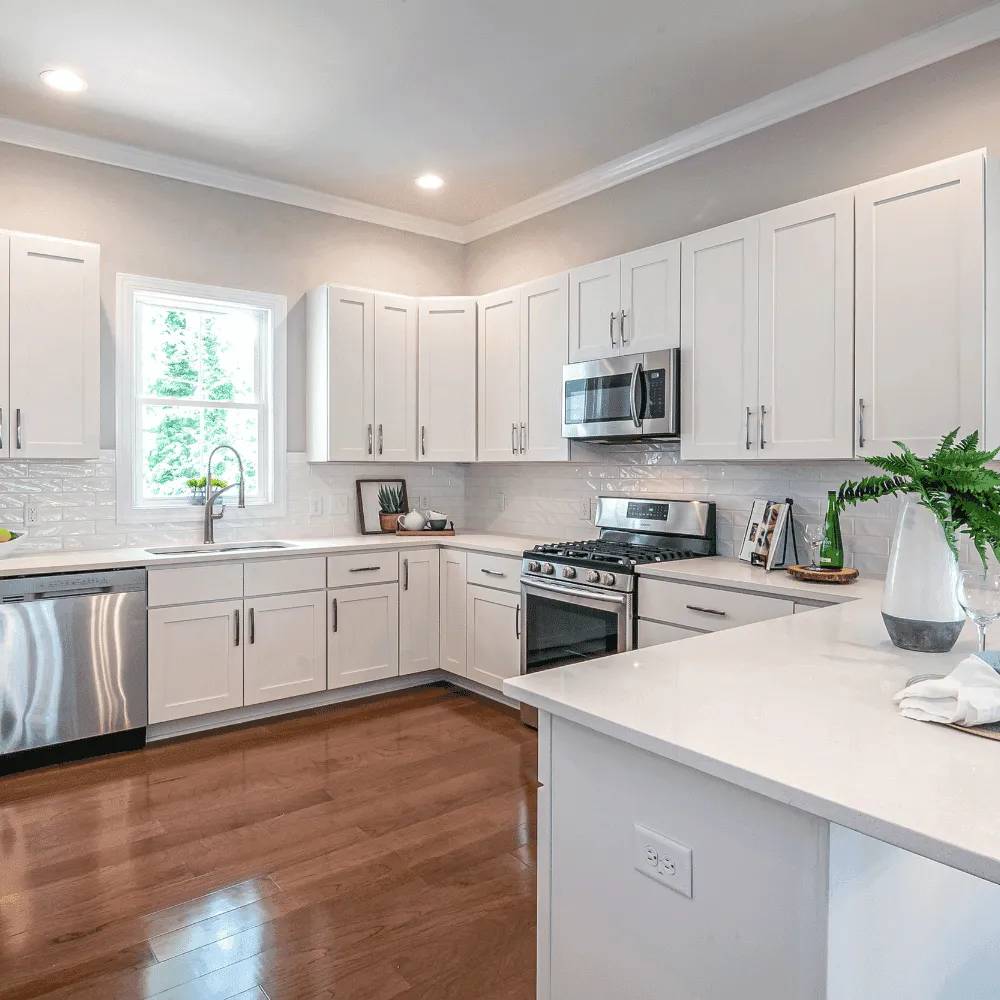
Kitchen and bathroom remodeling in Queens

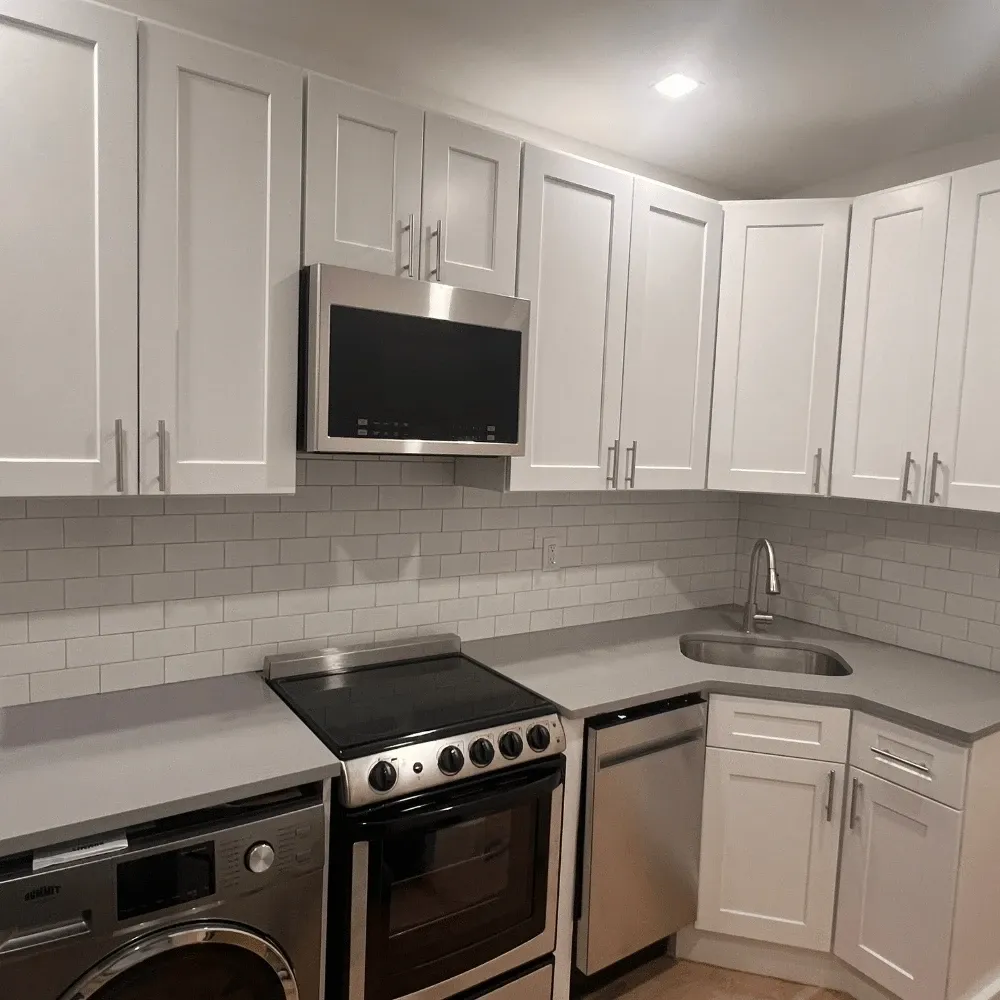
Kitchens and bathrooms in older Queens houses often come with galvanized supply pipes, too few electrical circuits for modern appliances and layouts set decades ago. A remodel is the right time to replace supply lines, add dedicated circuits and improve ventilation, not just change the finishes.

In co-ops and garden apartments, the board's alteration rules apply and kitchens and bathrooms typically stay over the existing risers. Once work starts, a kitchen typically takes 3–6 weeks and a bathroom 2–4 weeks, depending on scope.

Multi-family homes and basements

Renovating a two- or three-family home usually means working around tenants or family in the other units. We schedule shutoffs and noisy work, keep common halls and stairs clean and clear, and keep each unit's layout and exits within the building's legal configuration.

Basements are often part of a Queens renovation. Finishing one for recreation, storage or laundry is a common project; making it a legal bedroom or a separate apartment depends on ceiling height, light, exits and zoning, and typically needs architect-prepared plans and DOB approval. We'll tell you which category your basement falls into at the walkthrough.

FAQ

Hiring a contractor in Queens

Do you renovate two- and three-family homes in Queens?

Yes. Our Ridgewood case study is a multi-family home where we renovated the basement and first floor in three weeks. Albion is licensed for building extensions, new home construction and up to three-family houses, and we plan multi-unit work so occupied apartments stay livable during construction.

Can I turn my basement into a separate apartment?

Sometimes, but it's a legal question before it's a construction one. A basement apartment typically has to meet requirements for ceiling height, light and ventilation, fire safety and exits, and adding a unit changes the building's certificate of occupancy, which means DOB filings. A cellar, which sits mostly below ground, generally can't be used as living space. We'll look at the space and tell you what's realistic.

Do you work in Queens co-ops and garden apartments?

Yes. We prepare the contractor side of the board's alteration package (insurance certificates, licensing and a schedule) and follow the building's rules on work hours, elevators and debris removal. Kitchens and bathrooms in co-ops usually stay near the existing risers, and we plan the layout with that in mind.

How long does a home renovation in Queens take?

Our Ridgewood basement and first-floor renovation took three weeks. As a general guide, a kitchen typically takes 3–6 weeks, a bathroom 2–4 weeks and a complete home renovation 2–4 months, depending on scope, permits and material lead times.

Are any Queens neighborhoods landmarked?

Yes. Parts of Ridgewood, Jackson Heights and Sunnyside Gardens, among others, are designated historic districts. Exterior work there, such as windows, doors, facades and additions, typically needs Landmarks Preservation Commission approval before DOB permits are issued. If you're not sure whether your house is in a district, your architect can check before design starts.

Also serving Manhattan, Brooklyn, the Bronx and Staten Island.

Free consultation

Planning a project in Queens?

Tell us about your project. Our owner reviews every inquiry and will walk you through scope, approvals and timing, and give you a free, detailed estimate.